
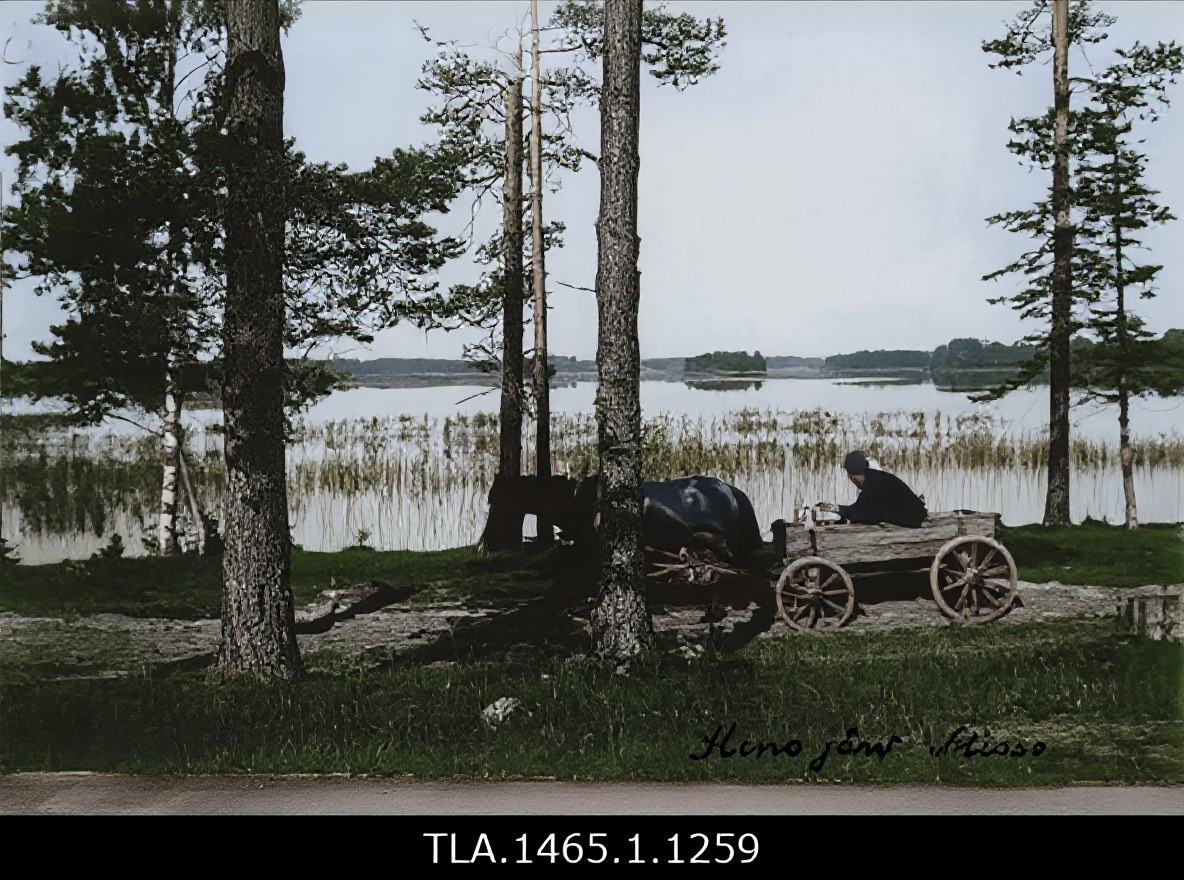
The Siksälä burial complex is located in Võrumaa, in the historical region of Setomaa, on a hill between two lakes — Hino and Mustjärv. The site, known as Kalmetemägi, is one of Estonia’s most important archaeological locations, used as a burial ground for over 500 years, beginning in the 11th century. The area consists of two adjacent burial mounds, which in local folklore have been associated both with graves and a possible church site.
Siksälä is one of the most thoroughly studied medieval burial sites in Estonia. More than 300 burials have been uncovered there, reflecting the evolution of burial customs over the centuries. The rich garments, jewellery, and everyday objects provide a rare opportunity to glimpse the world of medieval people — their lives, rituals, and craftsmanship.
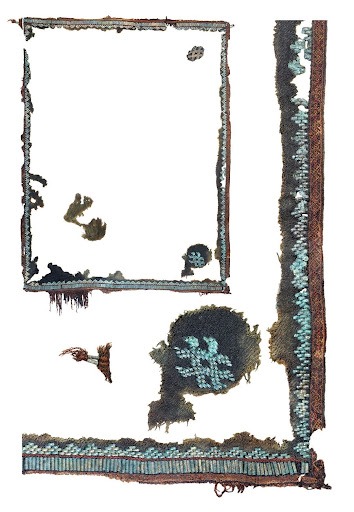
The patterns are inspired by the woollen sõbas worn by women living in Siksälä during the 13th–14th centuries. These outer garments were adorned with distinctive motifs and details, and fastened with penannular brooches. The women’s attire was complemented by bronze and bead jewellery, as well as intricate headdresses woven from horsehair and woollen yarn.
Valk, H., Laul, S. 2014. Siksälä kalme I. Muistis ja ajalugu. Tartu. Siksälä kalme. I, Muistis ja ajalugu.
Valk, H., Ratas, J., Laul, S. 2014. Siksälä kalme II. Matuste ja leidude kataloog. Tartu. Siksälä kalme. II osa, Matuste ja leidude kataloog.
Ellam, H. 2022. Siksälä naise keskaegse villase kuue rekonstruktsioon. Lõputöö. Tartu Ülikooli Viljandi Kultuuriakadeemia. Siksälä naise keskaegse villase kuue rekonstruktsioon.
Heapost, L. 2013.Multiple burials in Siksälä cemetery (12th–15th cc): Bioarchaeological aspect. — Papers on Anthropology XXII, 54–62. http://dx.doi.org/10.12697/poa.2013.22.06
Könnige, E. 2023. Siksälä kalmesse maetud meeste rõivastus 13. kuni 15. sajandil. Bakalaureusetöö. Tartu Ülikool. Siksälä kalmesse maetud meeste rõivastus 13. kuni 15. sajandil.
Matsin, A. 2014. Siksälä kalme keskaegne naiserõivas: tehnikad, leiud ja rekonstruktsioon. Doktoritöö. Eesti Kunstiakadeemia. Käsikiri ilmumisel.
Matsin, A. 2025. A Craft Researcher’s Dialogue with Conserved Textiles: Opportunities and Challenges Illustrated by Archaeological Textile Finds from the Siksälä Burial Site in Estonia. Biennial International Conference for the Craft Sciences – Mariestad, 22-24th of October 2025. Titre du résumé (titre niveau 1 : centré gras 14 points).
Rätsepso, S. 2013. Muinas- ja keskaegsed peapärjad Siksälä kalmistult. Seminaritöö. Tartu Ülikooli Viljandi Kultuuriakadeemia. Muinas- ja keskaegsed peapärjad Siksälä kalmistult.
Rätsepso, S. 2014. Rekonstruktsioon Siksälä naiste peapärjast. Diplomitöö. Tartu Ülikooli Viljandi Kultuuriakadeemia. Rekonstruktsioon Siksälä naiste peapärjast.
Misso, Hino järv. TLA.1465.1.1259.
Valk, H., Ratas, J., Laul, S. 2014. Siksälä kalme II. Matuste ja leidude kataloog. Tartu, p. 204.
Patterns
The first pattern is inspired by a beautifully decorated cloak (sõba) belonging to a woman from 13th-century Siksälä, southern Estonia. Wrapped in this woolen garment adorned with distinctive motifs and secured by a penannular brooch, she also wore carefully arranged jewelry, including bronze bracelets, rings, and a necklace crafted from beads and cowrie shells. Her hair was framed by an elaborate headpiece, adorned with braided strands made of horsehair and wool yarn, ending in three tassels. The cloak has been reconstructed by textile artist and researcher Ave Matsin.
The second pattern is inspired by a beautifully decorated cloak (sõba), once worn with a penannular brooch by a woman living in 14th-century Siksälä, southern Estonia. Wrapped around her was also another cloak featuring checks and decorative tassels — both garments have been reconstructed by Melanie Kaarma, a costume designer and researcher. The Siksälä woman also wore carefully crafted jewelry, including bronze rings and a necklace made from beads and cowrie shells. Her head was adorned with an elaborate headpiece, its band decorated with bronze spirals and tin ornaments. The headpiece had braided strands made of horsehair and spirals, ending in four small tassels.


Products
If you’d like to order products, give feedback, or get more information, please get in touch with me!
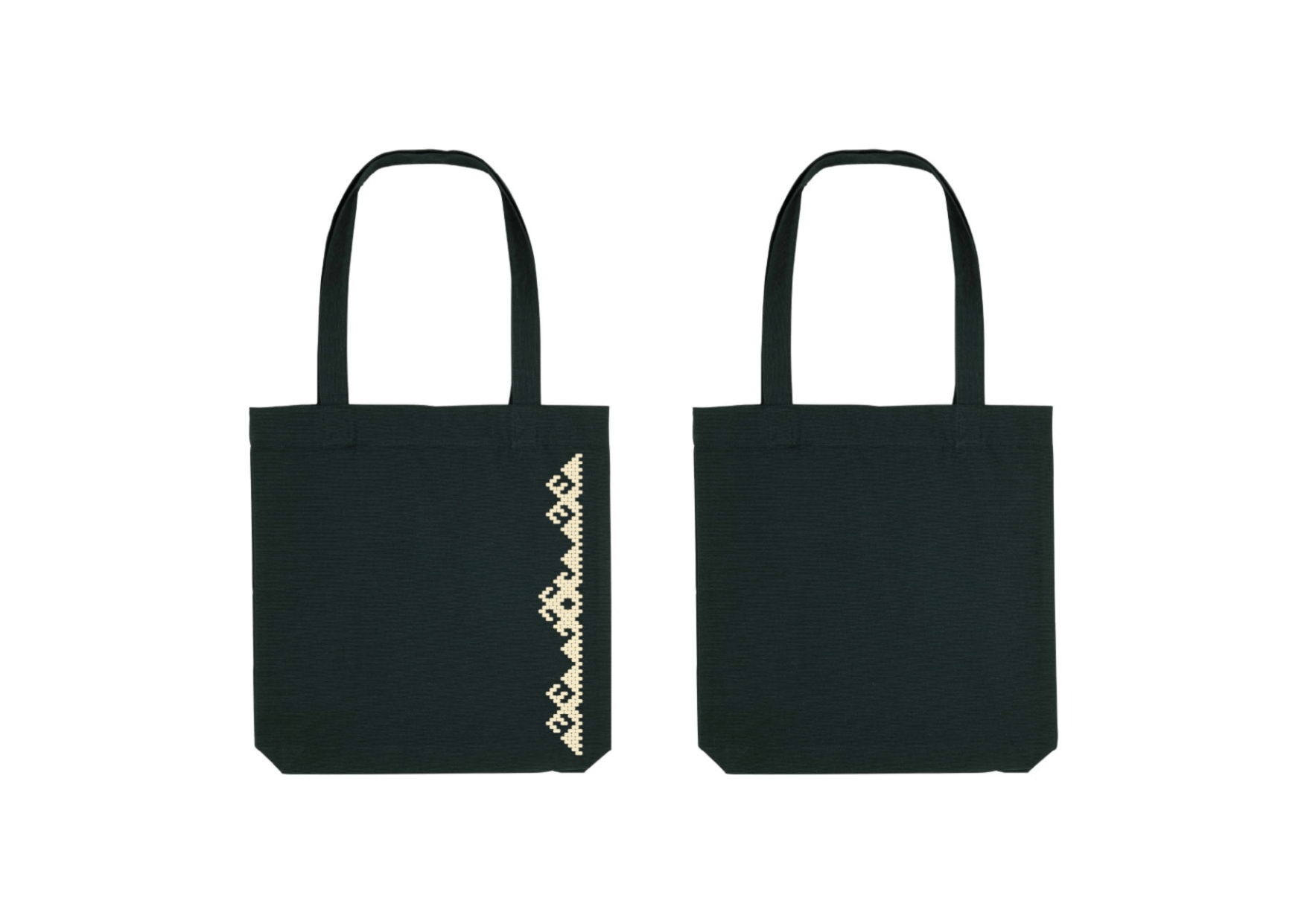
Must kandekott
300 GSM; Mõõdud (kõrgus 39 cm, laius 37 cm, sanga kogupikkus 65 cm)
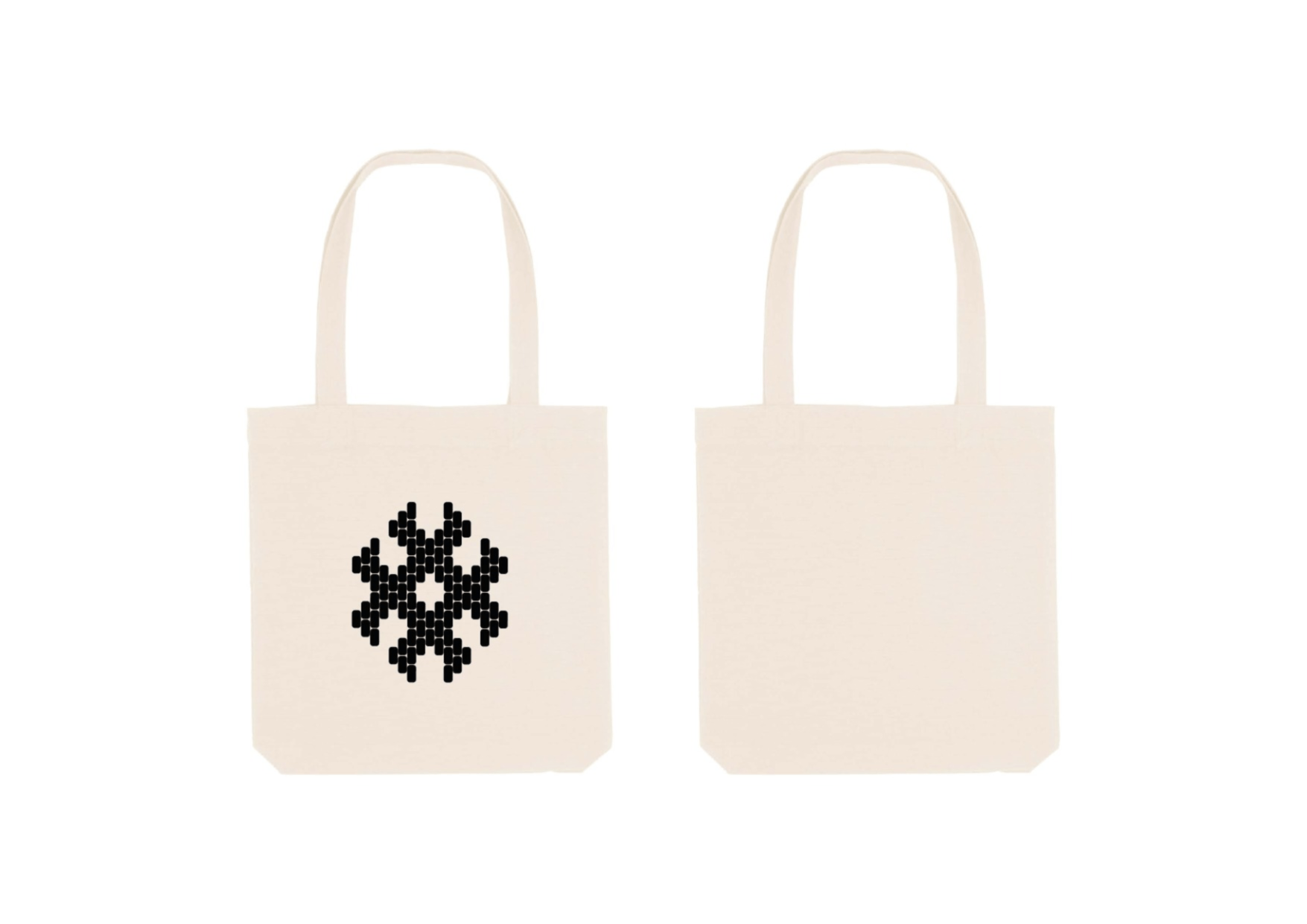
Naturaalvalge kandekott
300 GSM; Mõõdud (kõrgus 39 cm, laius 37 cm, sanga kogupikkus 65 cm)
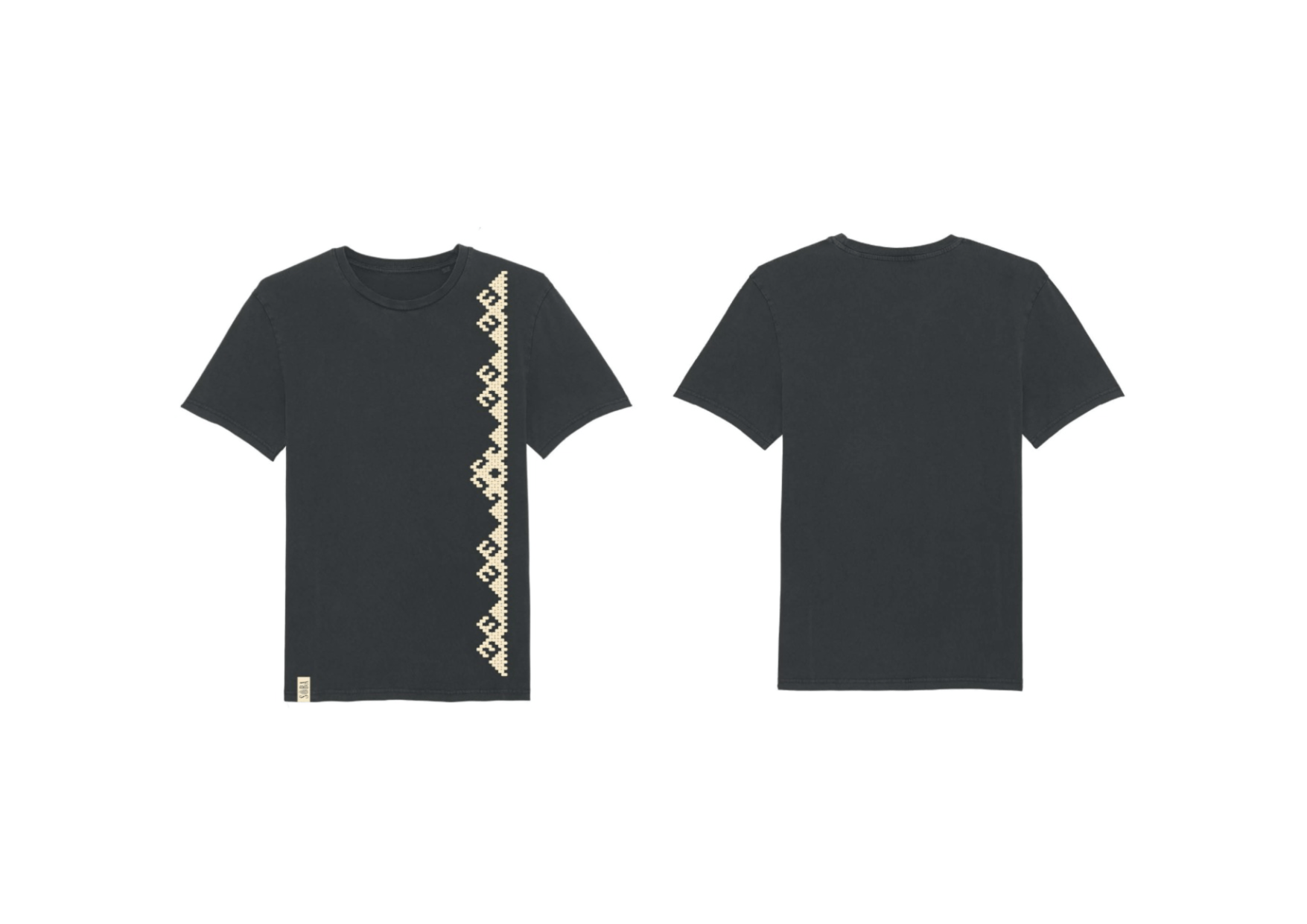
Tumehall T-särk
155 GSM
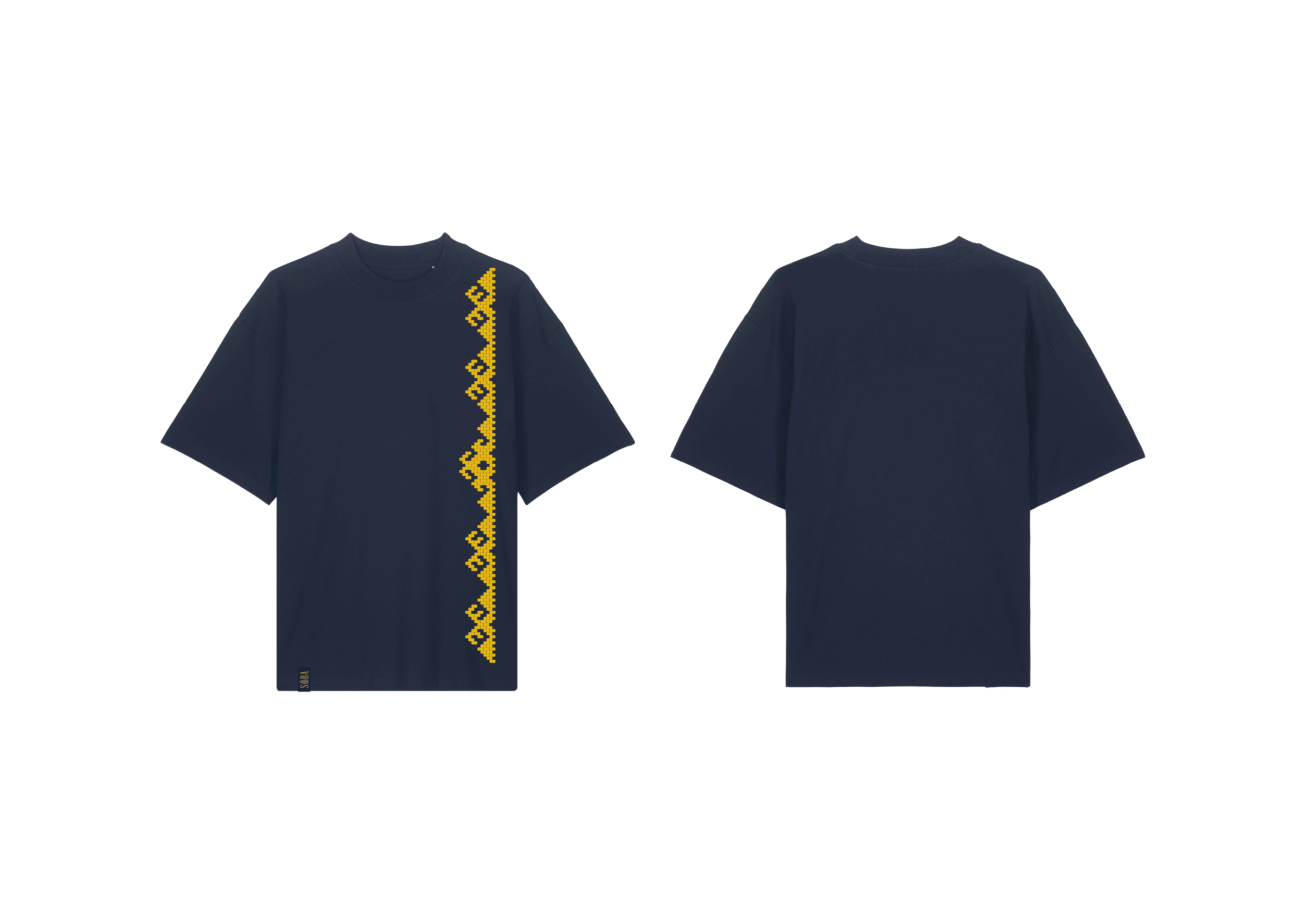
Tumesinine T-särk
200 GSM
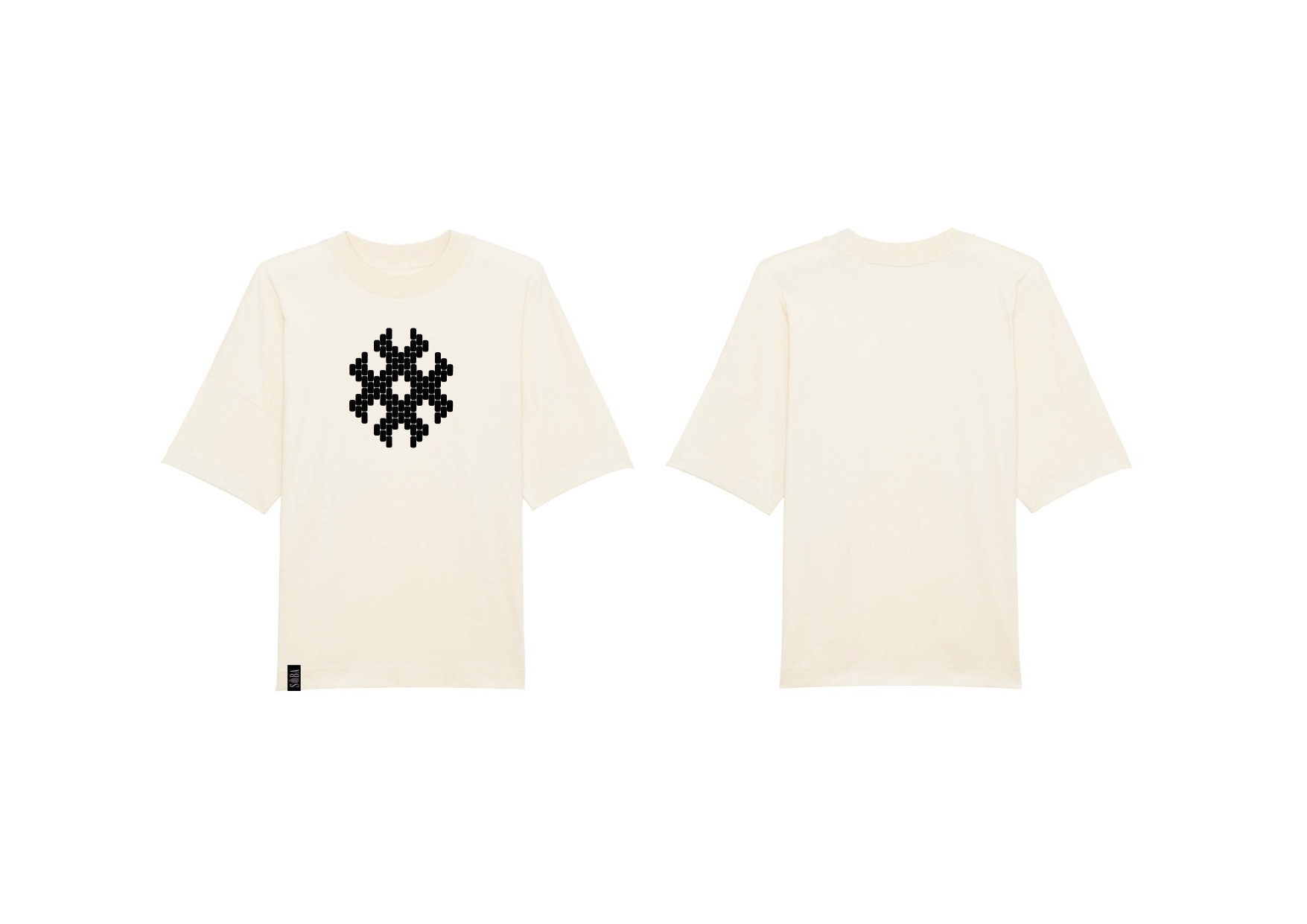
Natural White T-shirt
200 GSM
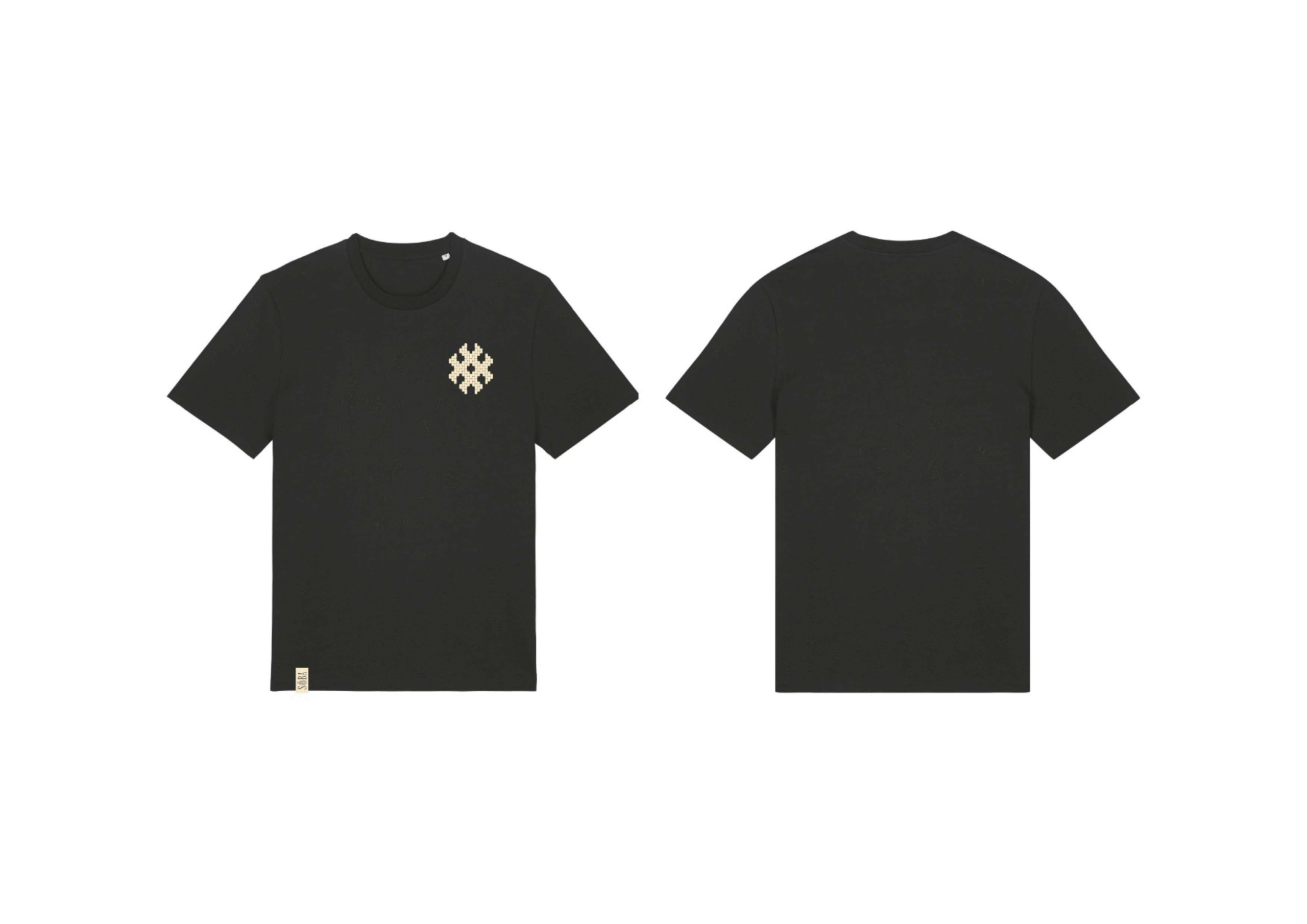
Must T-särk
180 GSM
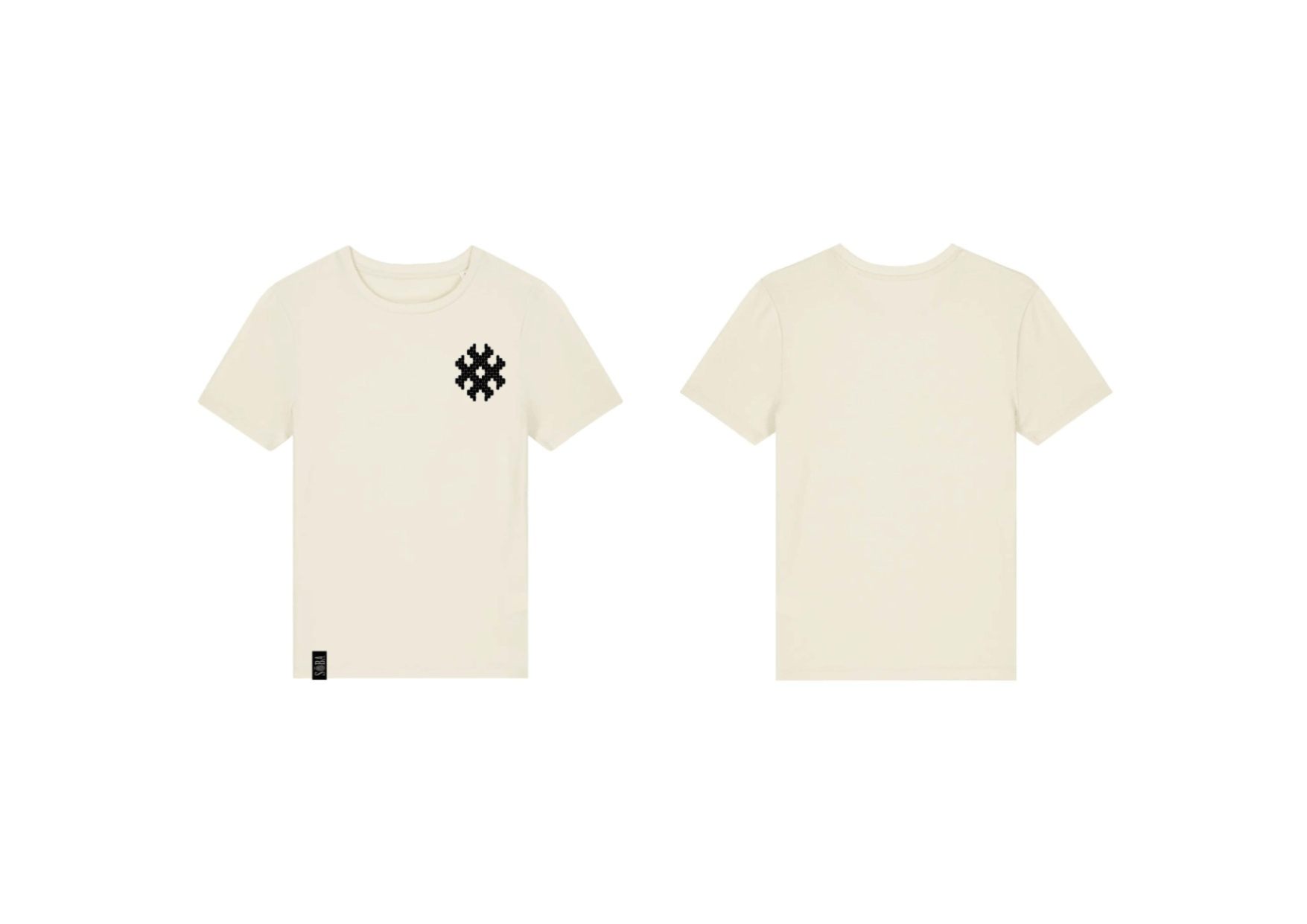
Naturaalvalge T-särk
180 GSM
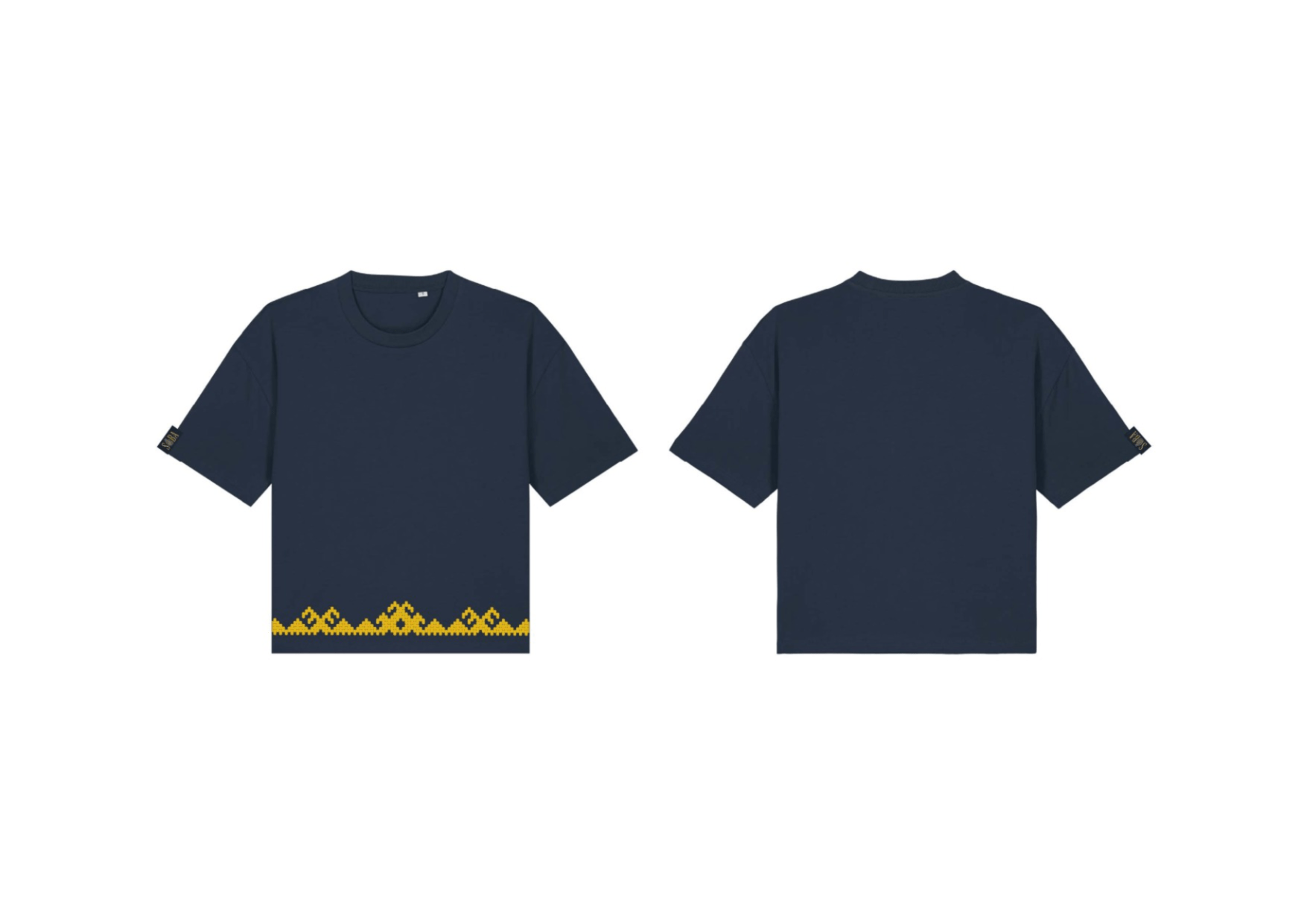
Tumesinine T-särk
155 GSM
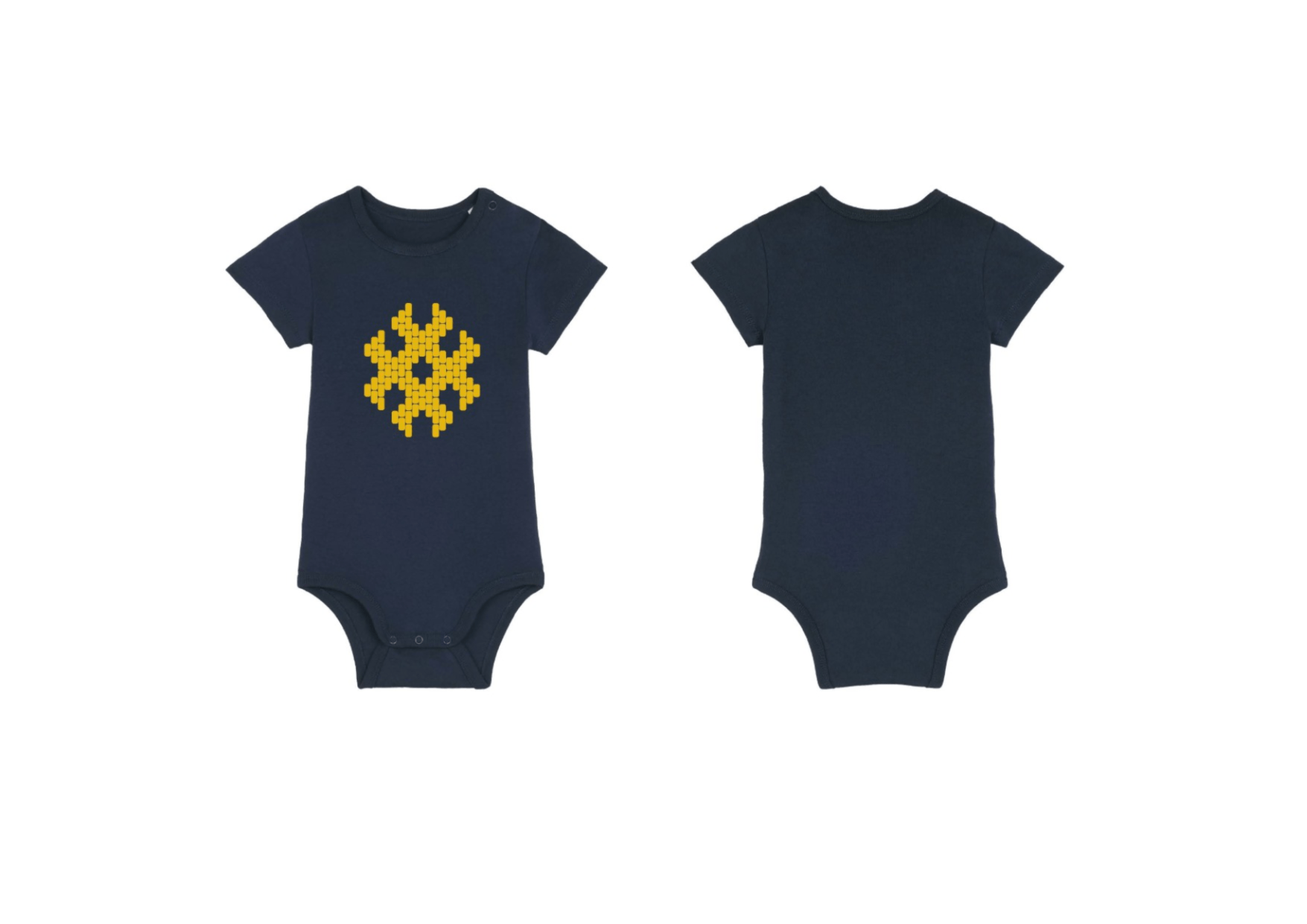
Tumesinine beebibody
210 GSM
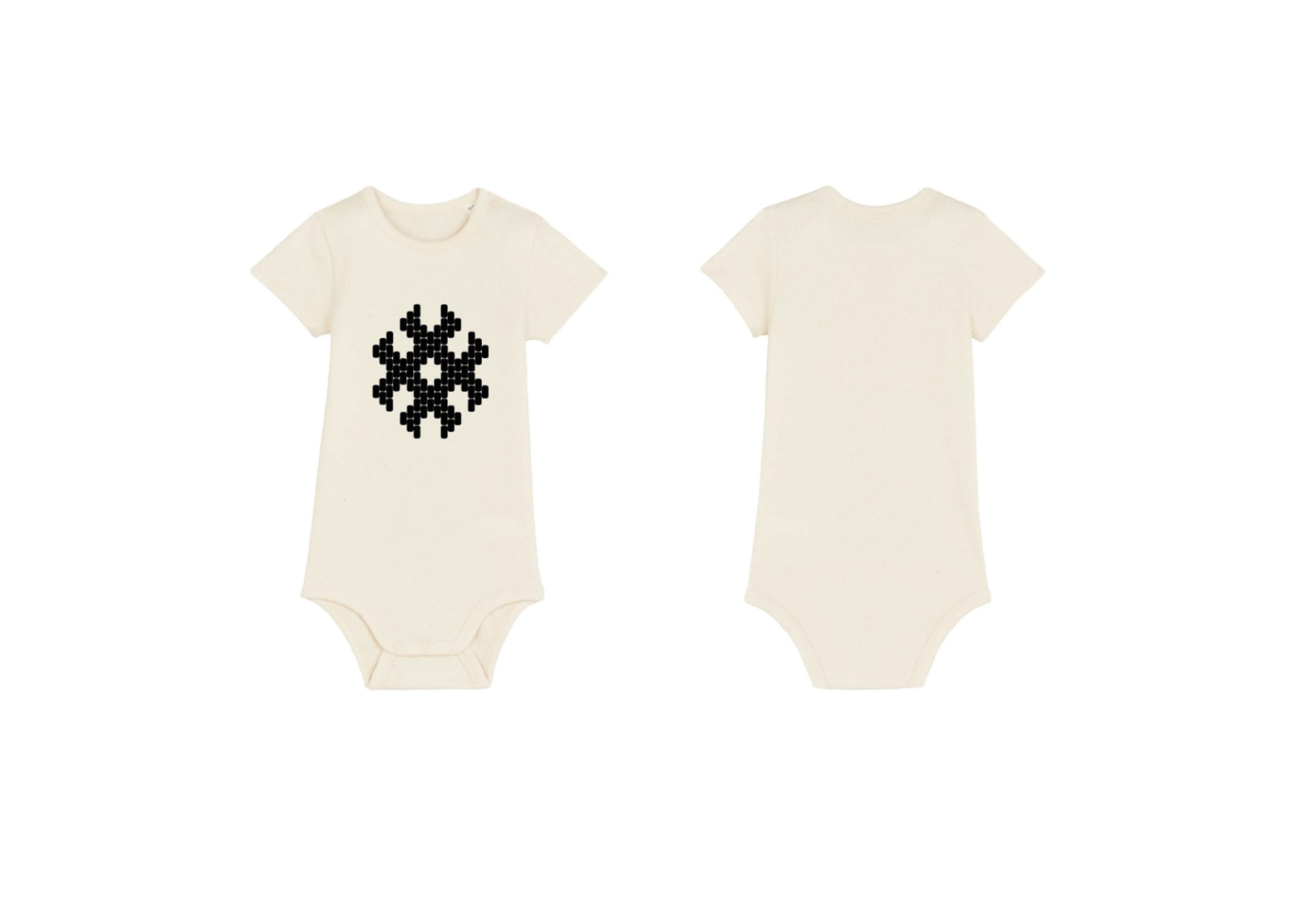
Naturaalvalge beebibody
210 GSM
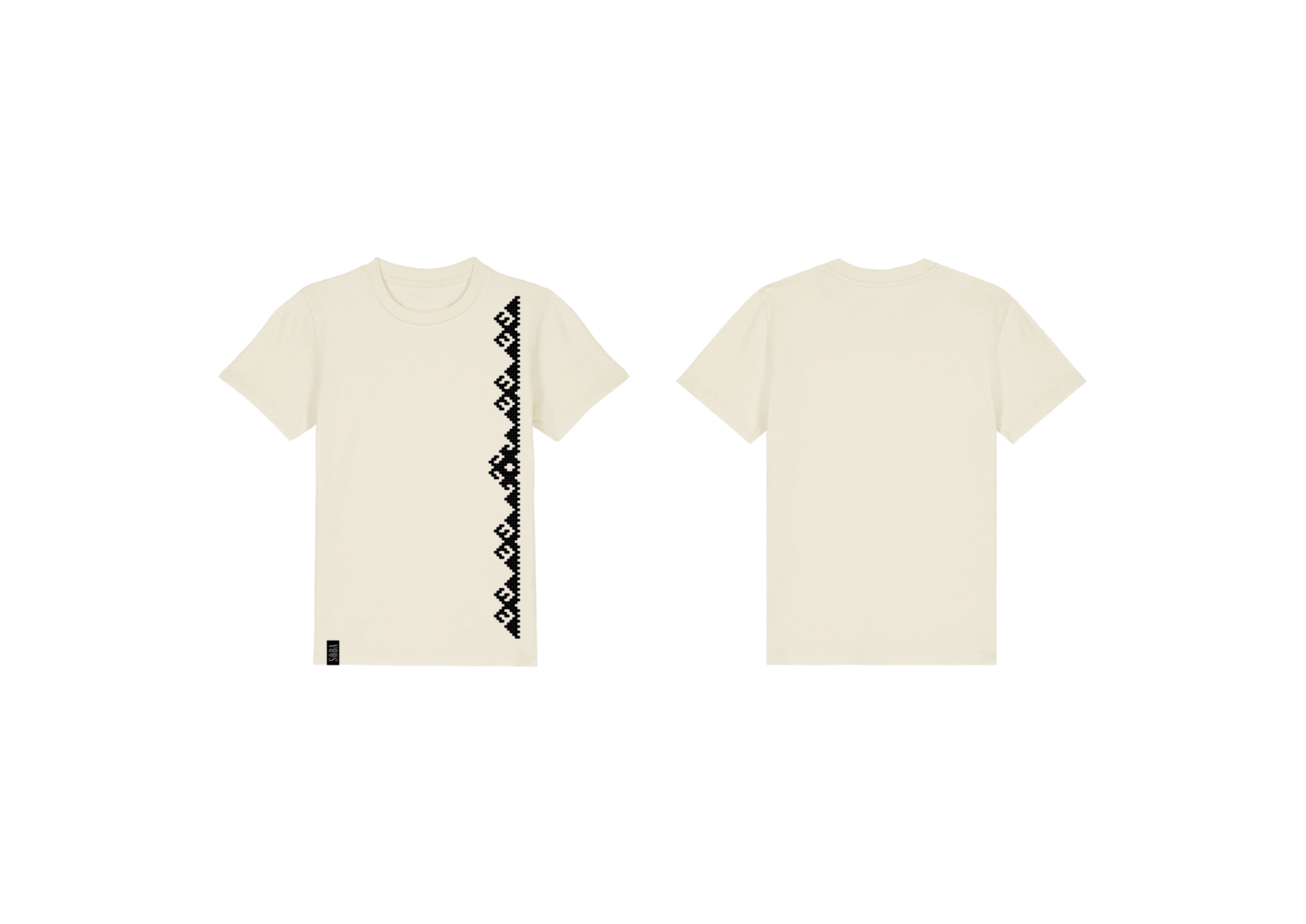
Naturaalvalge laste T-särk
155 GSM
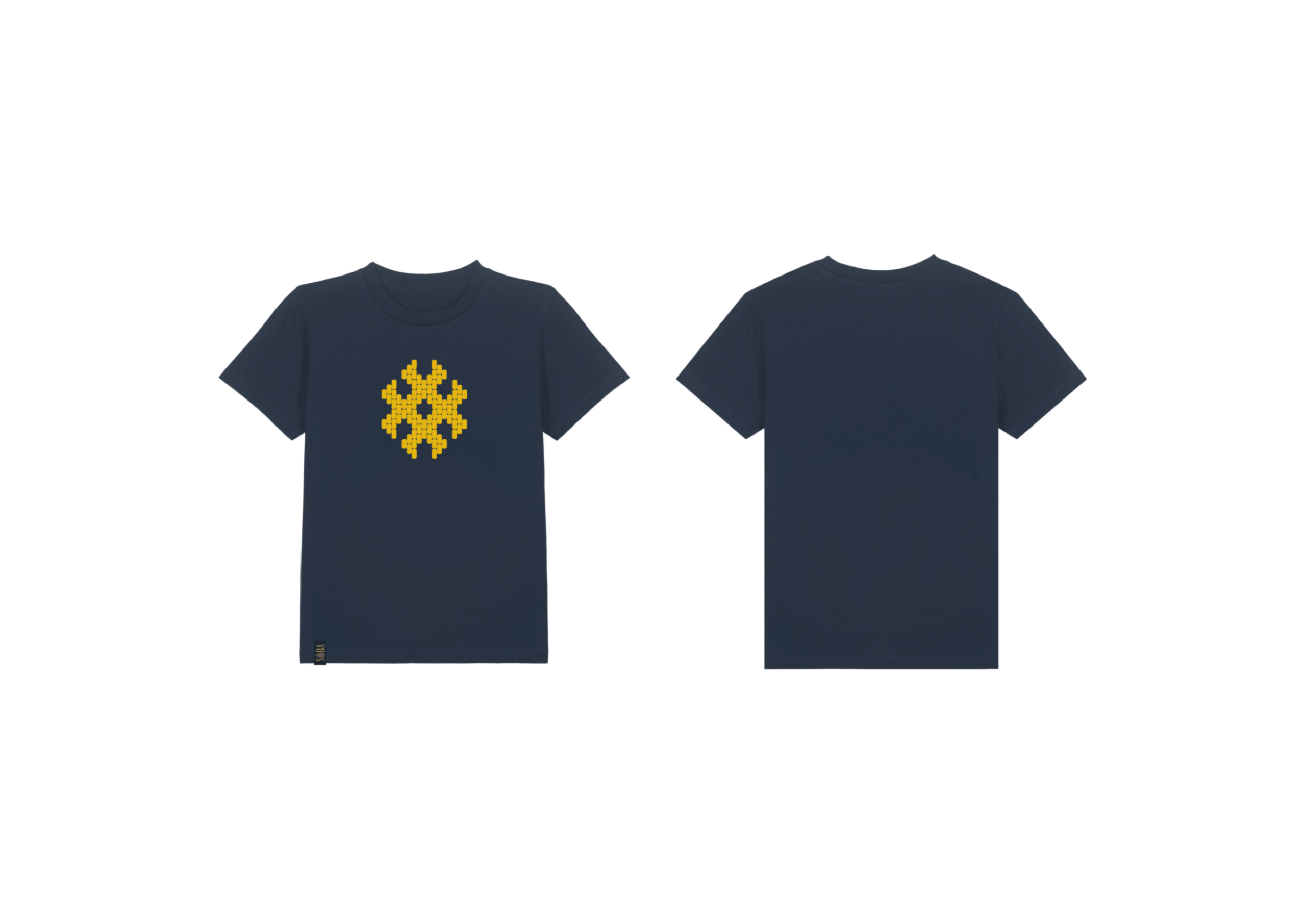
Tumesinine laste T-särk
155 GSM
